
Help Break the Cycle:
Why Education in Guatemala Desperately Needs Your Support
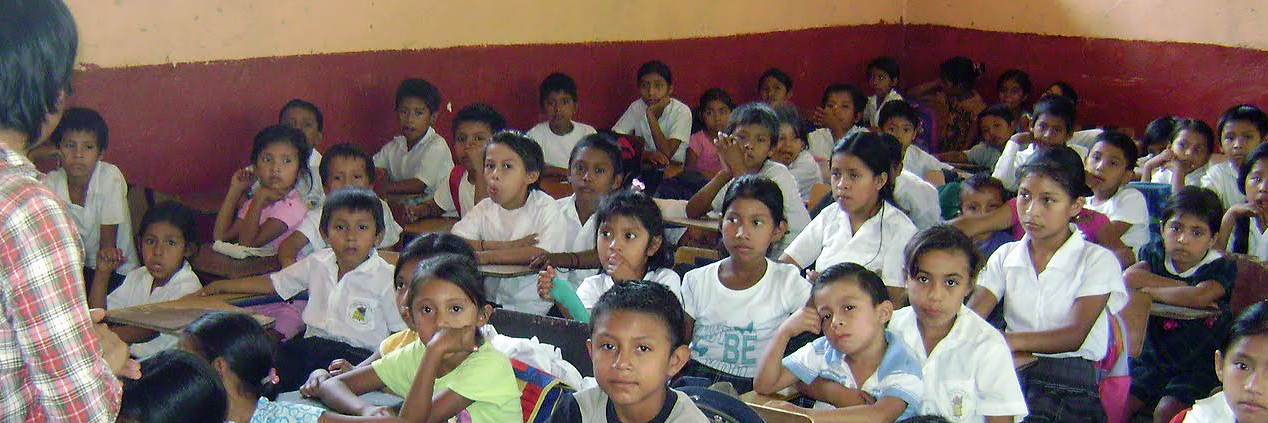
In Guatemala, education is supposed to be a right — but for too many children, it’s a privilege they can’t afford.
Although six years of primary school are mandatory, fewer than 60% of Guatemalans over age 15 are functionally literate. Only 36% of students finish primary school. Just 12% complete high school. And a mere 4% earn a university degree. These numbers aren’t just statistics — they represent millions of children growing up without the tools they need to build a better future.
The Inequality Is Stark — and Deeply Rooted
Access to education in Guatemala is not equal. On average, Guatemalans receive just six years of schooling. But for Indigenous children — mostly of Mayan heritage and living in remote rural communities — that number drops to only three years.
Why? Because many of these children enter school without knowing Spanish, the only language most public schools use. Because public schools are chronically underfunded. And because poverty forces heartbreaking choices.
One of the Lowest Education Investments in the World
Guatemala ranks among the lowest countries globally in education spending. In 2007, the government devoted less than 2% of its GDP to education — and less than half of that reached primary schools.
Families are left to pay for everything: school uniforms, books, supplies, transportation. For parents already struggling to feed their families, these costs are simply out of reach.
Children Forced to Leave School Too Soon
More than half of Guatemalans live below the poverty line. In families with six or more children — which is common — older siblings often drop out of school by age twelve to work and help support the household.
For these children, education isn’t just interrupted — it’s cut short. And with it, their future opportunities disappear.
The Generational Cycle of Poverty
John Edwards of Tulane University sums it up clearly: “Schooling is the most significant determinant of a Guatemalan child’s potential income, and that child’s parent’s income and education are the most significant determinants of that child’s schooling.”
In other words, a child born into poverty — especially in an Indigenous, rural community — is overwhelmingly likely to remain there unless someone steps in.
That Someone Could Be You
At Niños Creadores de Historia (“Children Create History”), we believe that every child deserves a chance — not just to survive, but to thrive. We support vulnerable first and second graders in San Andrés Itzapa, Guatemala — children who are already falling behind in the earliest grades, where dropout risk is highest.
We work directly with local public schools to identify children in need and provide them with the academic and emotional support to succeed. Our model is simple: keep kids in school, give them the tools to learn, and help them build confidence — all while respecting and honoring their culture and language.
But We Can’t Do It Without You
Your donation can directly impact a child’s future. Just $20 can provide school supplies. $50 can help fund a month of tutoring. Larger gifts help us expand our reach, train more educators, and provide holistic support to even more families.
Education is the most powerful tool we have to break the cycle of poverty. With your help, we can make sure that children in Guatemala don’t fall through the cracks — but instead rise to create their own future.
Together, we can rewrite the story — one child at a time..
Until the cycle of poor education is broken in Guatemala, poverty and illiteracy will beget poverty and illiteracy for generations to come.